Wax, Polish, and Oil Soap Buildup: Why Some Floors Can't Just Be Recoated
A screen and recoat is a quick way to renew a floor, but only if the new finish can bond to the old one. Wax, polish, and cleaner residue are the most common reasons it cannot.
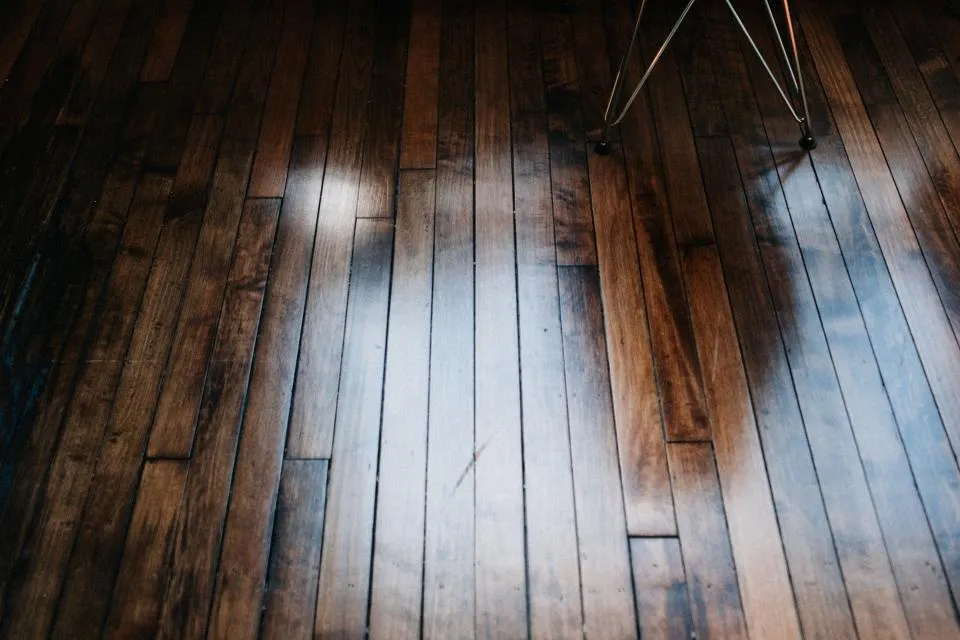
Homeowners who want a refreshed floor without full sanding often ask about a screen and recoat: lightly abrading the existing finish and applying a new topcoat. For a sound floor with surface wear, it is a good option. But the new coat has to bond to what is already there, and some floors carry a hidden layer that prevents it. When that happens, the new finish can peel, flake, or form small craters called fisheyes, and the floor ends up looking worse than before.
Paste wax is the classic problem. Many older floors were finished with wax rather than a modern polyurethane, and others were waxed on top of a surface finish for years as part of routine care. Polyurethane will not bond to wax. A floor that has been waxed generally has to be sanded down to bare wood before a modern finish can go on.
Polishes and restorers are the more common modern culprit. Products sold to bring back shine often contain acrylics or other film-forming ingredients that build up with each use. Some cleaners, including oil soaps and products that leave a residue, can interfere with adhesion as well. Silicone, which can drift onto floors from furniture polish, is especially troublesome. These residues settle into the grain and the seams between boards, where light abrasion does not reach.
How can you tell? Start with what has been used on the floor over the years, and keep the product containers if you still have them. A floor that looks cloudy, streaky, or smeared after cleaning may have buildup. Wax tends to feel slightly soft and will often smudge when scraped lightly with a fingernail in an out-of-the-way corner. Before recommending a recoat, a professional will often test adhesion by cleaning and abrading a small area, applying finish, and checking whether it bonds once dry.
Cleaning the floor with a product made to strip residue sometimes makes a recoat possible, but not always. Residue worked deep into the grain, multiple layers of polish, or any wax at all usually point to a full sand and refinish. That takes more time, but it removes the contamination and gives the new finish clean wood to grip.
Going forward, keep maintenance simple. Dust-mop or vacuum regularly, use a cleaner recommended for your floor's finish, and skip products that promise to add shine. A polyurethane floor's sheen comes from the finish itself, and when that dulls, the long-term fix is a recoat, not a polish. If you are unsure what a product contains, check before using it across the whole floor.
Knowing a floor's history up front avoids a finish that fails and has to be removed. If you are considering a recoat, mention the products that have been used on your floor when you request an estimate from KC Hardwood; it helps determine whether a recoat or a full sand and refinish is the right call.