Refinishing Commercial Hardwood With Minimal Downtime
For a restaurant, boutique, or office, worn hardwood affects first impressions, but closing for a week is rarely an option. Here is how to plan refinishing around business hours.
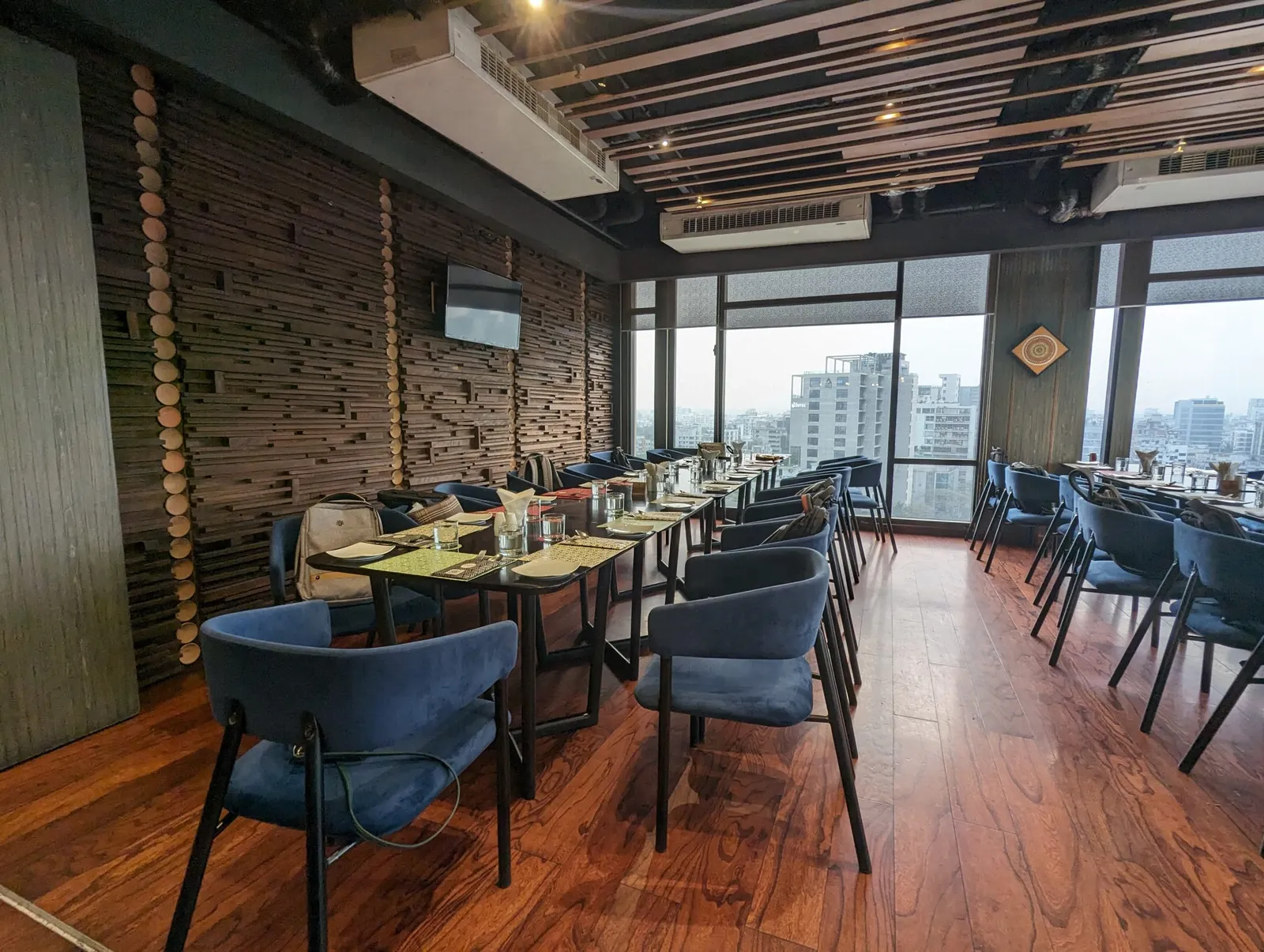
Hardwood in a commercial space works harder than any floor in a house. A restaurant dining room, a retail sales floor, or an office reception area takes hundreds of footsteps a day, plus rolling carts, chair legs, and grit carried in from the street. By fall the traffic lanes are often dull or gray, and for businesses that count on November and December, the timing feels urgent. The challenge is getting the work done without losing more days than necessary.
Start by deciding what the floor really needs. If the finish is worn but has not gone through to bare wood, a screen and recoat restores protection and appearance in far less time than a full refinish. If traffic lanes are gray, scratches cut into the wood, or boards are damaged, those areas need a full sand and refinish. A walkthrough with a flooring professional separates the two. Sometimes the answer is a combination, with full refinishing in the worst areas and a recoat elsewhere where the layout allows a clean break between them.
Phasing keeps the doors open. Large spaces can be divided so part of the floor stays in use while another part is being worked on. A restaurant might refinish half the dining room at a time and shift seating; an office can move staff between areas over a few days. Each section needs a logical boundary, such as a wall, a doorway, or a change in layout, so the finished floor does not show a line where one phase ended and the next began.
After-hours and closed-day scheduling help, but cure time still sets the pace. A finish can feel dry to the touch long before it is ready for heavy furniture, rolling loads, and full commercial traffic. Different products have different timelines, and your contractor should spell out when light foot traffic, furniture, and normal operations can resume for the finish being used. Reopening too early is the most common way a new commercial finish gets scuffed in its first week.
Finish selection matters more in commercial settings. Commercial-grade finishes and additional coats are often recommended for high-traffic floors, and water-based products generally have less odor during application, which matters in occupied buildings and food-service spaces. Talk through ventilation, odor, and any building management requirements before the work is booked.
Protecting the floor afterward makes the investment last. Walk-off mats at every entrance, felt or protective glides on chairs and tables, and a regular dust-mopping and cleaning schedule matched to the finish all slow down wear. Plan a periodic recoat before the finish wears through, rather than waiting until a full refinish is needed again.
For restaurants, shops, and offices across the Kansas City metro, KC Hardwood handles hardwood installation, refinishing, and recoating and can help plan the work around your schedule. If your floors need attention before the holidays, now is the time to map out the phases.