How to Protect Hardwood Floors During a Kansas City Remodel
Dust, grit, rolling loads, spills, and trapped moisture can damage finished floors. Match protection materials and traffic routes to the actual remodel.
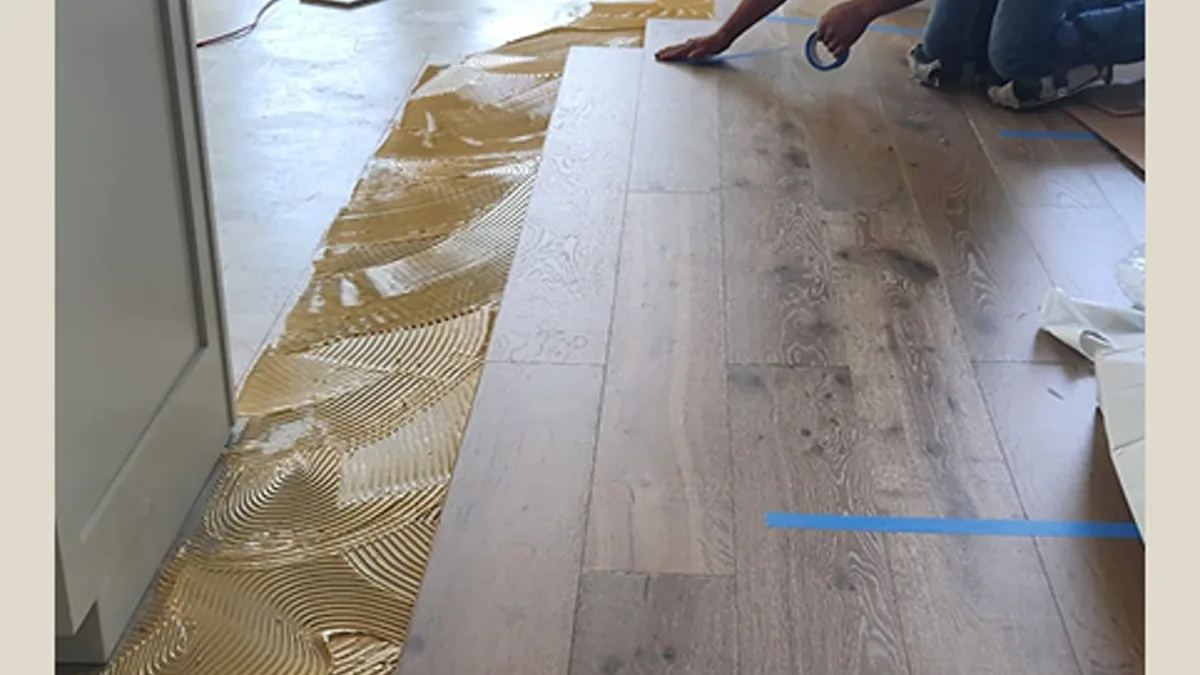
Floor protection should prevent abrasion and impact without trapping moisture, transferring dye, or creating unsafe seams through the work area. For How to Protect Hardwood Floors During a Kansas City Remodel, the useful first step is to identify the condition driving the work, protect the surrounding property, and choose a solution that can be maintained. A cosmetic answer may hide a recurring cause, while documented findings make the scope and estimate easier to compare.
Start with this priority: clean the floor before covering it because grit trapped under protection acts like sandpaper under foot traffic. For How to Protect Hardwood Floors During a Kansas City Remodel, that review creates a baseline before products are ordered or work begins. Measurements, photographs, and a written scope clarify what remains, what changes, and which findings could affect cost or timing. Access and safety should be planned before tools, equipment, or deliveries enter the work area.
The next part of the plan is to choose breathable or manufacturer-approved protection and avoid adhesives that can react with the finish. The method selected for How to Protect Hardwood Floors During a Kansas City Remodel should fit the existing material, exposure, and intended use rather than a generic recommendation. Local weather and property conditions can influence moisture, movement, wear, and scheduling, so the crew should verify conditions on site instead of relying only on the season or a broad rule.
A durable result also requires the team to define worker routes, cutting areas, material storage, debris removal, and rolling-load protection before demolition begins. Shortcuts during How to Protect Hardwood Floors During a Kansas City Remodel can turn a lower initial price into repeat work. The proposal should identify preparation, protection, cleanup, and any follow-up the owner will need to handle. Clear sequencing also prevents finished work from being damaged by later steps and gives materials enough time to perform as intended.
Owners should also plan to inspect and clean protection regularly, address spills promptly, and remove coverings according to cure and finish guidance. After How to Protect Hardwood Floors During a Kansas City Remodel is complete, routine observation can reveal small changes before they spread. Keep product information, photos, and care guidance with the property records. If a condition returns quickly, document when it appears and request a review rather than layering another temporary repair over the same cause.
KC Hardwood provides practical evaluations and service for local homeowners and properties. If this issue is affecting your project, request an on-site estimate and ask for the recommended scope, sequence, and maintenance needs in writing. A well-defined plan makes it easier to compare options and invest in the solution that addresses the source instead of only the most visible symptom.