Keeping Fall Mud, Leaves, and Grit Off Hardwood Entryways
Fall in Kansas City brings wet leaves, soft yards, and grit tracked in on every shoe. Entryways take the most abuse, and a few habits protect the finish before winter arrives.
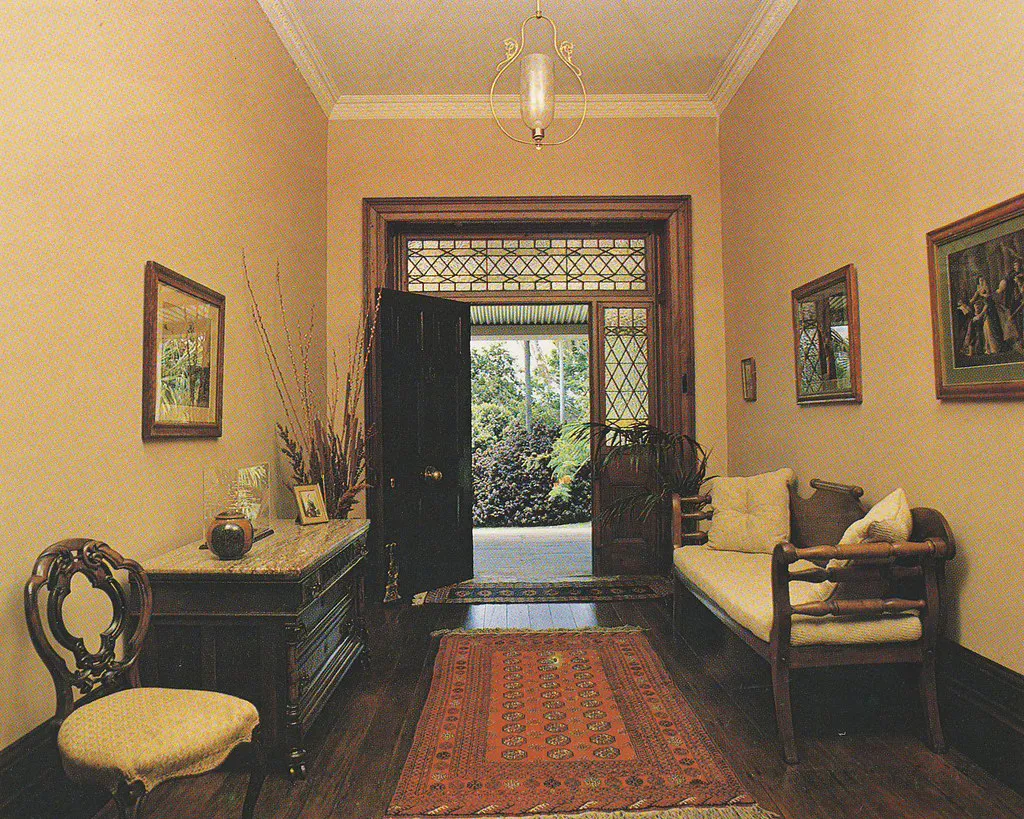
If you want to see where a hardwood floor ages fastest, look at the first few feet inside each exterior door. Fall makes that zone work harder. Yards turn soft with autumn rain, leaves cling to shoes and paws, and kids and dogs go in and out far more often while the weather is pleasant. Everything that comes in on a shoe ends up between the sole and the finish.
Grit is the real threat, more than the mud itself. Fine sand and small bits of gravel act like sandpaper under foot traffic, cutting tiny scratches that gradually dull the finish into a hazy patch. Wet leaves add moisture and can leave tannin stains where the finish is already thin. Mud dries into dust that gets ground in with every step. Most of it can be stopped before it crosses the threshold.
Use two mats, not one. An outdoor mat with a coarse, scraping surface knocks off mud and gravel before the door opens. An absorbent indoor mat catches moisture and the finer grit that makes it inside. Choose an indoor mat with a backing that is safe for finished wood, since some rubber and vinyl backings can discolor finishes or hold moisture against the boards. Make it long enough to take a couple of steps on, and shake out or wash both mats often during wet weeks. A saturated mat stops doing its job.
Give wet things a place to land. A boot tray by the door keeps muddy shoes, dripping umbrellas, and wet jackets off the wood. A towel for the dog at the back door saves both the floor and the hallway. If shoes come off at the door in your house, make it easy with a bench and a shelf. Habits stick when they take no extra effort.
Adjust the cleaning routine for the season. Dust-mop or vacuum entry areas more often in the fall, daily during muddy stretches, using a microfiber mop or a vacuum setting made for hard floors rather than a spinning beater bar. Pick up wet leaves and wipe up puddles right away. When the floor needs more than dry cleaning, use a cleaner made for your finish and a damp mop, never a wet one. Steam mops and excess water can damage both finishes and wood.
Check the door itself. A worn door sweep or threshold seal lets in leaves, rain, and drafts, and the boards right inside show it first. Water stains, darkened boards, or slightly raised edges near the threshold can mean water is getting in during storms. Have that checked before it leads to cupping or damage underneath.
Know when it is time for help. If the entry is dull and scratched but the rest of the floor looks fine, a screen and recoat can refresh the finish before winter brings salt and snow. Gray or darkened wood where the finish has worn through needs sanding and refinishing to protect the boards, and if your entry has reached that point, KC Hardwood can take care of it, along with the rest of the floor if needed, before the worst of the winter weather.