How to Phase Hardwood Installation While Living at Home
A whole-home flooring project does not always require moving out. With the right room order and transition plan, installation can happen in stages without creating unnecessary seams or delays.
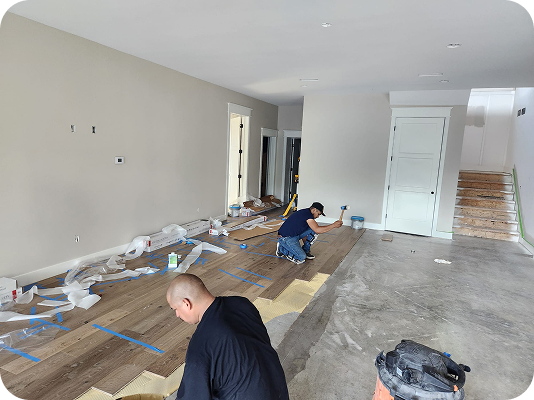
Installing hardwood through several connected rooms is easier when the house is empty, but that is not realistic for every family. Homeowners across the Kansas City metro often need to keep bedrooms, a kitchen, or a work area usable during the project. A phased installation can solve that problem, but only when the layout is planned before the first board goes down. Treating each room as a separate mini-project without considering sightlines and board direction can leave awkward transitions that were avoidable.
The first decision is where the flooring should run continuously. Open doorways, halls, kitchens, and family rooms often look best when boards flow through without threshold strips. Those connected spaces should usually be grouped into the same phase. Rooms with a door that closes, a natural change in direction, or an existing transition offer better stopping points. An installer can map the runs, check joist direction, and identify where a temporary edge can be protected until the next stage begins.
Furniture movement is the next part of the schedule. Instead of shifting everything from one side of a room to the other while crews work around it, clear each active phase completely. Large appliances, pianos, and built-ins may need special handling. Homeowners in Overland Park, Lenexa, and Olathe should also plan a clean route between the work area and an exterior door so dust control, material delivery, and cleanup do not take over the rest of the home.
Site-finished hardwood adds cure time to the plan. Sanding, staining, and topcoats need controlled temperature, ventilation, and a traffic-free window. Water-based and oil-based products have different return-to-service timelines, and rugs usually stay off longer than light foot traffic. Prefinished flooring reduces that part of the disruption, but it still needs acclimation and careful staging. Pets and children should remain away from tools, adhesives, exposed subfloor, and fresh finish throughout each phase.
A good phased plan also protects consistency. Order enough flooring from the same production lot for the complete project, even if installation happens weeks apart. Confirm stain formulas and finish sheen in writing, and keep a few extra boards for future repairs. Before work starts, KC Hardwood can review the layout, recommend logical stopping points, and build a schedule for homes on both the Kansas and Missouri sides of the metro. That preparation keeps a lived-in renovation manageable from start through final cleanup without making the finished floor look pieced together.