Flooring for Sunrooms and Cold Rooms: What Holds Up Through a Kansas City Winter
A sunroom or enclosed porch can drop close to outdoor temperatures on a January night and heat up fast on a sunny afternoon. That swing is hard on most flooring, so the material has to match how the room is really used.
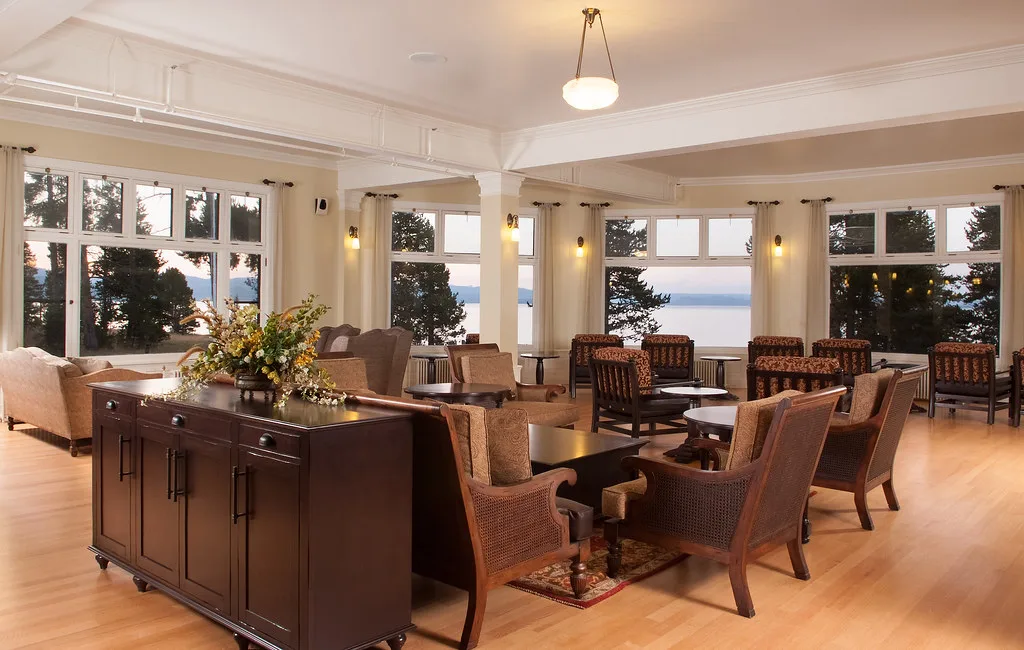
Many Kansas City homes have at least one room that does not live like the rest of the house: a three-season porch that was enclosed, a sunroom whose heat gets turned down in winter, or a bonus room over the garage that never quite warms up. November is when those rooms start to show it. Before choosing flooring for a space like this, ask one question first. Will the room be heated and cooled along with the rest of the house all year, or not?
Solid hardwood is the riskiest choice for a room that is not climate-controlled. Wood takes on and gives up moisture to match the air around it. A room that runs cold and damp on winter nights and then dries out under strong sun through the glass puts the boards through much bigger swings than the rest of the house. That is how floors end up with wide gaps, cupped boards, or edges pushing against each other. Strong sun through large windows also fades and changes the color of wood faster.
Engineered hardwood is more stable than solid wood because of its layered core, so it tolerates moderate swings better. It still has to stay within the temperature and humidity ranges the manufacturer lists, and many engineered products are approved only for climate-controlled rooms. If the sunroom is heated and cooled year-round, engineered wood is a good way to get a real wood surface there.
LVP and laminate are often the first products people consider for a sunroom. They handle moisture better than wood, but temperature is the bigger question. Vinyl expands and contracts with heat and cold, and a floating floor in a room that goes from freezing to hot can open at the seams or push up against the walls. Some rigid-core products are rated for wider temperature ranges than others. Read the installation instructions for the exact product before you buy, because installing it outside its listed conditions can void the warranty.
Porcelain and ceramic tile are the traditional answer for rooms that truly go unheated. They are not bothered by temperature or moisture, though they feel cold underfoot and need a stiff, flat subfloor so they do not crack.
The subfloor matters as much as the surface. Enclosed porches often sit on a slab that slopes toward the yard for drainage, or on framing over a crawlspace with little insulation. Moisture rising from a slab or cold air under the floor affects every flooring type. Checking moisture and flatness, and dealing with slope and insulation before the new floor goes in, prevents most of the problems that show up later.
Sun is the other factor. Big south- or west-facing windows fade floors, rugs, and furniture. UV-filtering film or shades protect whatever floor you choose, and moving rugs now and then helps the floor age evenly.
If you are planning to finish or update a sunroom, porch, or cold bonus room, KC Hardwood can look at how the room is heated, check the subfloor, and walk you through hardwood, engineered, laminate, and LVP options that fit the space.